
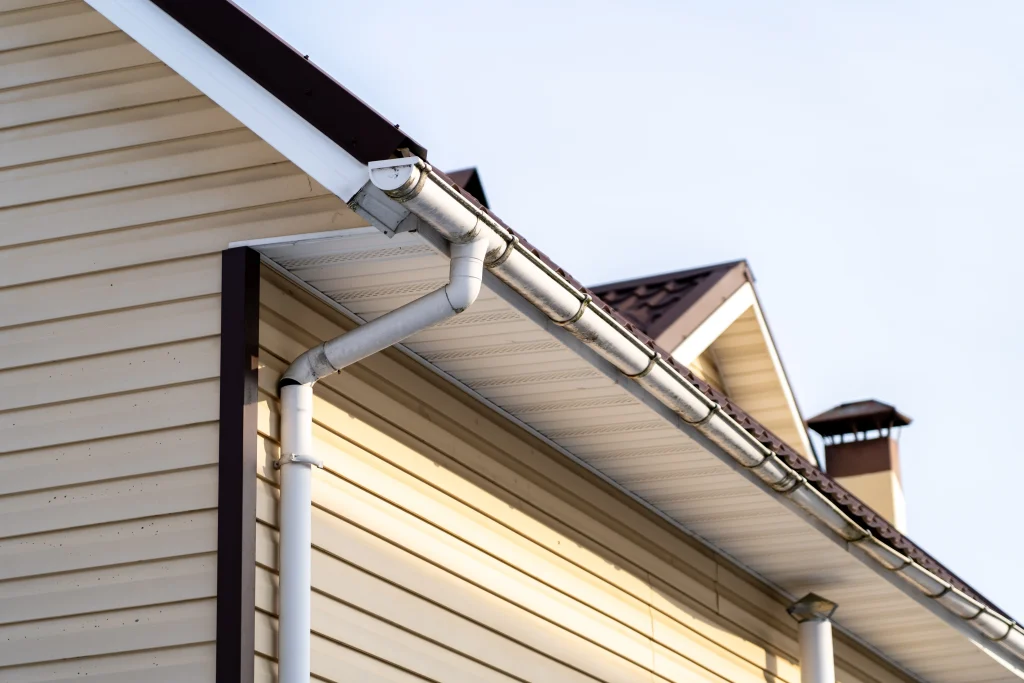
Professional Roof Moss Removal in Ontario
Apex Impressions removes moss from Ontario rooftops using a combination of safe biocide treatment and non-abrasive physical removal. We kill the root system and clear the surface without damaging your shingles.
Roof Moss Removal Projects at a Glance
Homeowners across the northern GTA contact Apex Impressions when moss patches on their rooftops have grown past the point where rainfall is washing them away naturally. Learn more about us and how we assess the growth, treat the root system, and restore roof surfaces to a clean, protected condition.
5 star reviews
Consistently rated by Ontario homeowners for thorough moss removal that addresses the root system, not just the surface growth.
100%
Every moss removal job includes a post-treatment inspection and a follow-up recommendation for preventing regrowth.
10+ Years of Industry Experience
Over a decade removing moss from Ontario rooftops across every shingle type, pitch, and exposure condition.
Why Moss Is More Damaging Than It Looks
Moss on a rooftop looks manageable from the ground, much like viewing damage through a gallery window where the true scope remains hidden. The green or brown patches seem soft and harmless — nothing like the obvious damage of a cracked shingle or a missing flashing seal. But moss is one of the most destructive organisms that can establish itself on an Ontario roof, and the damage it causes is progressive, accelerating, and largely invisible until it has already become expensive.
Get an Expert Roof Moss Removal Quote
If you can see moss patches from the ground, the growth has likely been established for two or more seasons and the rhizoid network has already penetrated the shingle granule layer. The longer moss remains on a roof, the more granule damage accumulates. Before the damage extends further, contact Apex Impressions to receive a professional assessment and moss removal quote.
OUR PROCESS

We inspect the roof cleaning surface to document moss coverage percentage, colony maturity, and any existing shingle damage. We identify the species of moss present and assess how deeply the rhizoid root system has penetrated the granule layer. This assessment determines the appropriate removal and treatment approach.

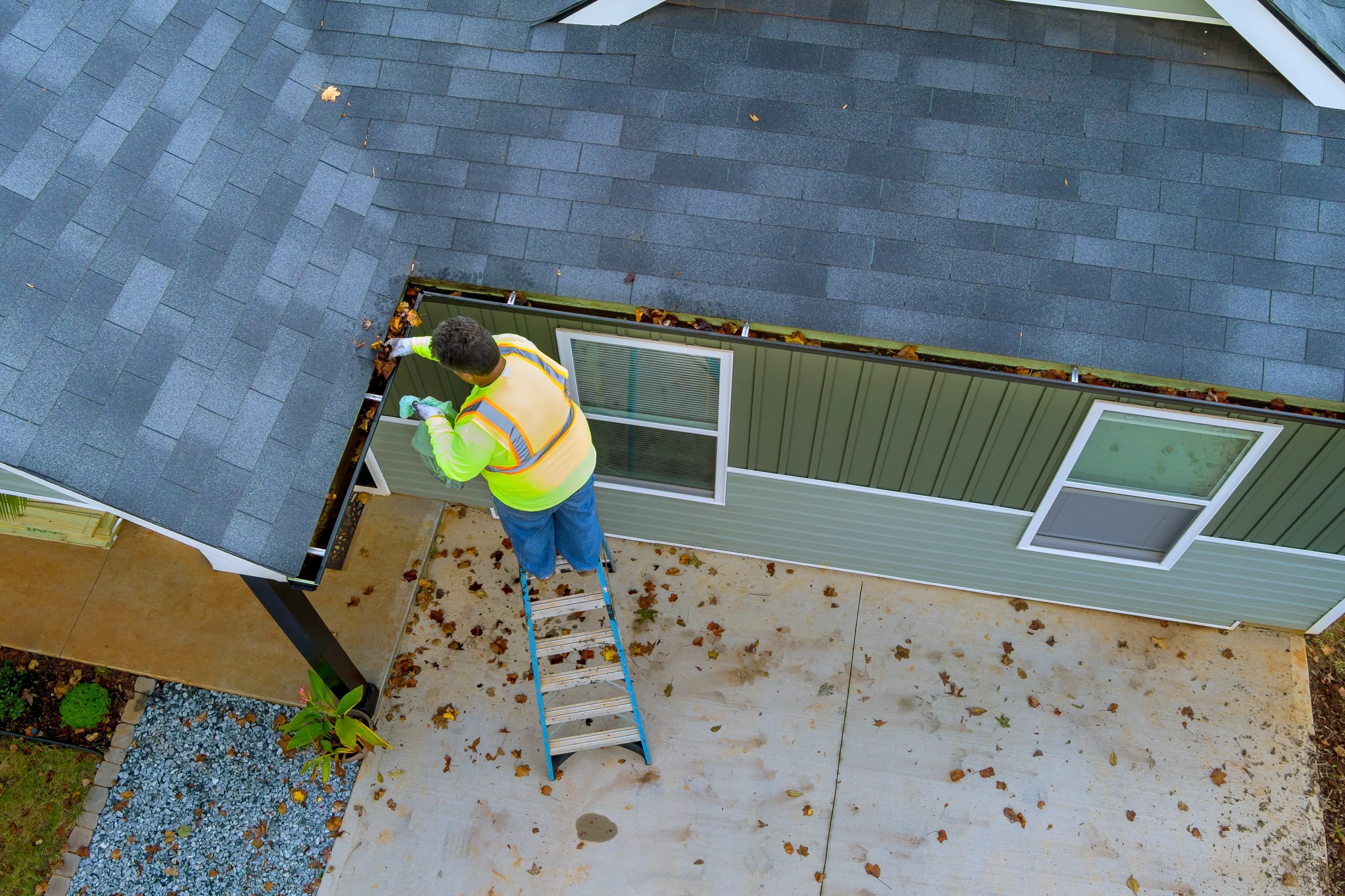
Before removal begins, we protect your gutter cleanings, downspouts, and surrounding landscaping. Moss removal generates significant debris, and we stage ground coverings and gutter screens to capture material and prevent blockage of drainage channels during the removal process.

We remove the bulk of the moss mat using non-abrasive brushing and controlled lifting techniques. We work from ridge to eave to direct loosened material toward the gutters rather than back up under shingle tabs. This phase clears the surface growth and exposes the rhizoid root network for biocide treatment.

We apply professional-grade biocide solution at low pressure across the treated area. The solution penetrates the granule layer and kills the root system that surface removal cannot reach. Dwell time is calibrated to the density of remaining root growth and the species present. We rinse the area after dwell time and flush the gutters and downspouts clear.

We inspect the full treated area to confirm surface clearance and check for any sections requiring a second biocide pass. We document shingle condition across the treated zone and provide a written service report with findings and recommendations for follow-up maintenance including any areas that would benefit from sealant application.

Characteristics of Professional Roof Moss Removal Care
Professional moss removal is a two-phase process that we’ve detailed extensively on our blog. Phase one is physical removal of the surface moss mat using non-abrasive tools that dislodge the growth without tearing at the shingle granules underneath. Phase two is biocide treatment — a professional-grade solution applied at low pressure washing that kills the rhizoid root system and prevents regrowth for two to four years after treatment. The order of these steps is critical to ensuring lasting results.
FAQ's
How is professional moss removal different from just washing it off?
Washing or brushing moss off a roof removes the surface growth but leaves the rhizoid root system intact inside the shingle granule layer. The colony re-establishes itself within one to two growing seasons from the surviving root network. Professional moss removal includes a biocide treatment phase that kills the root system, not just the visible growth. This extends the clean period to two to four years and prevents the accelerated regrowth that surface-only removal produces.
How long does moss take to come back after professional removal?
After professional moss removal with biocide treatment, most Ontario rooftops remain moss-free for two to four years. The regrowth rate depends on tree coverage, roof pitch, orientation (north-facing roofs accumulate moss faster), and local humidity levels. Roofs with heavy shade from large trees and north-facing sections in high-humidity areas tend to see moss return at the shorter end of that range.
Can moss removal damage my shingles?
Professional moss removal uses non-abrasive tools and low-pressure application specifically to avoid shingle damage. The physical removal phase dislodges moss without tearing at granules. The biocide phase uses chemistry to kill the root system rather than high-pressure water that would strip granules. By contrast, pressure washing for moss removal is highly damaging — it blasts granules off the surface and voids most manufacturer warranties. Our process is designed to protect shingle integrity throughout the treatment.
Should I treat for moss before or after roof cleaning?
Moss removal and roof cleaning address different things but complement each other well. For roofs with active moss growth, we recommend moss removal first, followed by a full soft-wash cleaning that clears algae streaks and remaining debris. The biocide treatment used in moss removal is effective against moss specifically; the soft-wash cleaning solution addresses the broader range of organisms including algae and lichen. Combining both treatments in one service visit gives the roof the most complete restoration.